Share This Article
Last updated: 29 October 2026
Opening an online store is easier than ever. Getting people to find it, trust it and buy from it is the hard part. This eCommerce marketing guide covers the channels and strategies that drive sales today, and how to measure what is working.
What Is Ecommerce Marketing?
Ecommerce marketing is everything you do to attract visitors to your online store, turn them into customers, and bring them back to buy again. It combines search, advertising, social media, email, content and the store experience itself.
A useful way to think about it is in three stages:
- Attract: get the right people to your store (SEO, ads, social media, creators).
- Convert: turn visitors into buyers (product pages, trust signals, checkout).
- Retain: keep customers coming back (email, loyalty, service).
Start with a Store That Converts
Marketing only works if the store can close the sale. According to Baymard Institute, the average documented cart abandonment rate is about 70%. Excluding people who were just browsing, the most common reasons shoppers abandon checkout are:
- Extra costs such as shipping, taxes and fees were too high (40%).
- Delivery was too slow (20%).
- They didn’t trust the site with their card details (19%).
- The site wanted them to create an account (18%).
- Checkout was too long or complicated (17%).
Fix these first: show full costs early, offer guest checkout, display trust badges and clear return policies, offer popular payment methods, and keep checkout short. Every improvement here makes all your other marketing more effective.
Search Engine Optimisation for Online Stores
SEO brings in shoppers who are already looking for what you sell, without paying for each click.
- Category pages: target broader searches such as “women’s running shoes” with helpful intro text and good filtering.
- Product pages: write unique descriptions instead of copying the manufacturer’s text, add real photos and answer common questions.
- Product structured data: add price, availability and review markup so search engines can show rich results.
- Google Merchant Center: upload your product feed to appear in free product listings on Google Shopping.
- Technical health: fix duplicate content from filters and variants, and keep pages fast on mobile.
Learn more about our eCommerce SEO services.
Paid Advertising
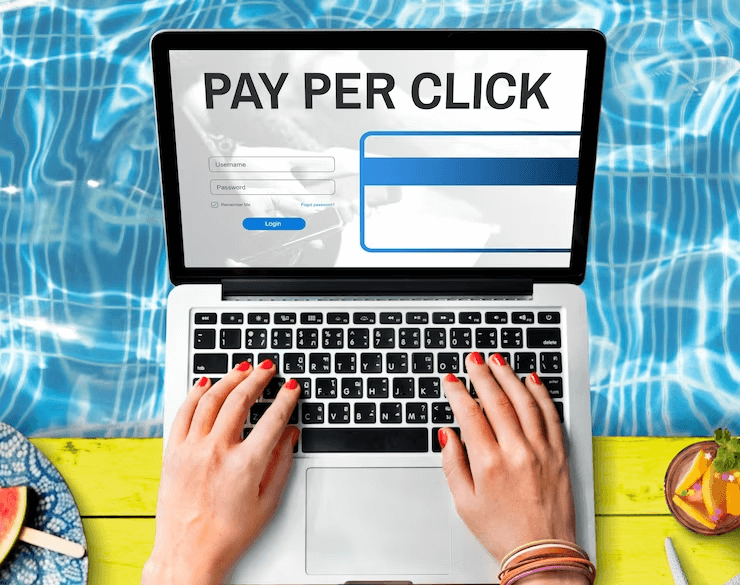
Paid ads deliver traffic quickly and let you target shoppers precisely.
- Google Shopping and Performance Max: show product images and details to people searching for what you sell.
- Search ads: capture high-intent searches, including competitor and brand terms.
- Social ads: use Meta, TikTok and Pinterest to reach new audiences with visual products.
- Retargeting: bring back visitors who viewed products or abandoned carts.
Our PPC management team builds campaigns around profit, not just clicks.
Social Media and Creator Marketing
There are 5.66 billion social media user identities worldwide (DataReportal, October 2025), and social networks are now the second most important channel for researching brands, after search engines. For ecommerce, social platforms are both a discovery channel and, increasingly, a place to buy.
- Show products in use with short videos, Reels and Shorts.
- Use social shopping features to tag products directly in posts.
- Partner with niche creators whose followers match your customers.
- Repost customer photos and reviews as social proof.
Email and SMS Marketing
Email remains one of the most profitable channels for online stores because you own the list. Set up these automated flows first:
- Welcome series: introduce your brand and give new subscribers a reason to make a first purchase.
- Abandoned cart and browse reminders: recover some of the 70% of carts that are left behind.
- Post-purchase emails: confirm orders, share care tips, ask for reviews and suggest related products.
- Win-back campaigns: re-engage customers who haven’t bought in a while.
Content Marketing
Content helps shoppers decide and builds trust before they buy. Buying guides, comparison articles, how-to videos and size or fit guides answer questions that product pages can’t. They also attract search traffic from people earlier in their buying journey. Our content marketing services can build this into a steady plan.
Customer Retention and Loyalty
Winning a repeat customer is usually far easier than finding a new one. Build loyalty with fast delivery, easy returns, helpful support, loyalty points or member perks, and personalised recommendations. Happy repeat customers also leave reviews and recommend you to others.
Tracking and Analysing Performance
Set up Google Analytics 4 with ecommerce tracking, and connect conversion tracking to every ad platform you use. Then review these metrics regularly:
- Conversion rate: the share of visitors who buy.
- Average order value: how much customers spend per order.
- Cart abandonment rate: where buyers drop off in checkout.
- Customer acquisition cost: how much it takes to win each new customer through each channel.
- Customer lifetime value: how much a customer is worth over time. It should be comfortably higher than acquisition cost.
- Return on ad spend (ROAS): revenue generated for each unit spent on ads, checked by campaign.
Use the data to move budget towards the channels and products that bring profitable, repeat customers.
Selling on Marketplaces
Marketplaces such as Amazon, Flipkart, eBay and Etsy give you access to shoppers who are already ready to buy. They can be a strong extra sales channel, but you have less control over branding, customer data and pricing rules. Many brands use marketplaces to reach new customers and build reviews, while steering repeat buyers to their own store, where they own the relationship.
A 90-Day Ecommerce Marketing Plan
- Days 1–30: Fix the foundations. Audit your checkout, speed and mobile experience. Set up GA4 ecommerce tracking and ad conversion tracking. Launch welcome and abandoned cart emails.
- Days 31–60: Build traffic. Optimise your top categories and best-selling product pages for SEO. Submit your product feed to Google Merchant Center. Start Shopping or Performance Max campaigns on your best products.
- Days 61–90: Scale and retain. Expand ads to the products and audiences that are working. Start a regular social content schedule and test one creator partnership. Add post-purchase and win-back emails.
Review results at the end of each month, then repeat the cycle with what you’ve learned.
Conclusion
Successful ecommerce marketing starts with a store that converts, then layers on SEO, paid ads, social media, email and content to attract and keep customers. Fix checkout friction first, measure everything, and invest more in what works. That cycle, repeated consistently, is what grows online sales.
Need help growing your online store? AJR InfoTech offers a free audit of your store’s SEO, ads and conversion setup.
Frequently Asked Questions
Sources
Share This Article

Written by : AJR InfoTech
We solve the questions that keep you awake at night. AJR InfoTech is a full-service digital marketing and SEO company based in Surat, India, offering creative marketing solutions. Reach out to get your business found online and drive sustainable growth.

Latest Articles, Guides and News
Outside of designing websites, we also create detailed articles on everything related to web design, as well as share updates on the growth and progress of our business!