Share This Article
Last updated: 29 October 2026
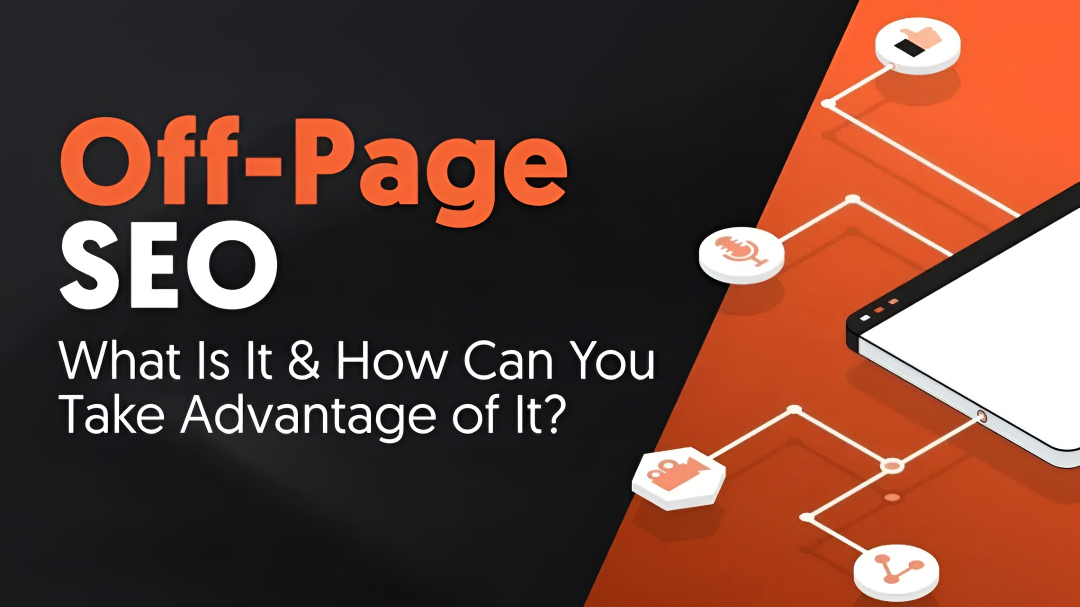
You can have a fast, well-written website and still struggle to rank. Often the missing piece is what happens outside your site: who links to you, who mentions you, and how much search engines trust your brand. That is off-page SEO.
This guide explains what off-page SEO is, why it still matters, and six techniques that build lasting organic traffic.
What Is Off-Page SEO?
SEO work happens in three places:
- On-page SEO: your content, headings, keywords and internal links.
- Technical SEO: site speed, crawling, indexing and structured data.
- Off-page SEO: everything outside your website that shapes how search engines see your authority and trustworthiness. This includes backlinks, brand mentions, reviews, social signals and listings.
Why Off-Page SEO Still Matters
Links remain one of the ways Google discovers pages and judges their importance. What has changed is the emphasis. In April 2024, Google’s Gary Illyes said Google needs “very few links to rank pages” and has made links less important over the years. He later said he shouldn’t have phrased it that way, but the direction is clear: link quality now matters far more than quantity.
Off-page signals have also become important for AI search. Google’s AI Overviews and other AI assistants form a view of your brand from what the wider web says about you. A business that is mentioned, reviewed and linked by trusted sources is easier for them to recommend.
1. Earn Links with Content Worth Linking To
The best links are given freely because your content is useful. Create “linkable assets” that others want to reference:
- Original research, surveys or data from your own work.
- In-depth guides that become the go-to resource on a topic.
- Free tools, templates, calculators or checklists.
- Case studies with real, specific results.
Then promote them to the people most likely to cite them: journalists, bloggers and industry websites.
2. Use Digital PR and Expert Commentary
Journalists constantly need expert quotes and fresh data. Respond to media requests in your field, share newsworthy company updates, and offer commentary on industry trends. A single mention on a respected publication can be worth more than dozens of low-quality links, and it builds brand awareness at the same time.
3. Strengthen Your Google Business Profile and Reviews
For local businesses, your Google Business Profile is one of the most important off-page assets. Complete every section, add photos regularly, and post updates. Ask satisfied customers for reviews and reply to every review, positive or negative. Reviews influence both rankings in local results and whether people choose you. Our local SEO services can manage this for you.
4. Build Consistent Citations and Brand Mentions
List your business on trusted directories, industry associations and local chambers of commerce. Make sure your business name, address and phone number are exactly the same everywhere. Unlinked brand mentions also help search engines connect your brand with your topic. Where a site mentions you without a link, a polite request can often turn it into one.
5. Write Guest Content for Relevant Websites
Contributing articles to respected sites in your industry puts your expertise in front of a new audience and can earn a relevant link. Focus on sites your customers actually read, and write content that is genuinely useful for their readers. Avoid low-quality “write for us” sites that publish anything for a link. Search engines recognise these networks and ignore or penalise them.
6. Be Active Where Your Audience Talks
Social media links don’t directly boost rankings, but activity on social platforms, YouTube, LinkedIn, Reddit and industry forums spreads your content, builds brand searches and leads to natural links and mentions. Share helpful answers rather than promotional posts, and become a recognised voice in your niche.
Off-Page Tactics to Avoid
Some shortcuts can get your site penalised. Google’s spam policies specifically target link schemes, including:
- Buying or selling links that pass ranking credit.
- Private blog networks (PBNs) built only to link to your site.
- Large-scale link exchanges (“you link to me, I link to you”).
- Automated link building, comment spam and spammy directory submissions.
If a link is paid or sponsored, it should use the rel="sponsored" attribute. Links in user-generated content such as comments should use rel="ugc". If your site already has a manual action for unnatural links, our Google penalty recovery service can help you clean it up.
Local vs Global Businesses: Where to Focus
The right off-page mix depends on who you sell to:
- Local businesses (clinics, restaurants, contractors, agencies serving one city) should start with Google Business Profile, reviews, local directories, local news coverage and partnerships with nearby businesses and associations.
- National or global businesses (online stores, software, B2B services) gain more from digital PR, industry publications, original research, podcasts and guest content on sites their buyers read in each target market.
- Businesses targeting several countries should earn links and mentions from websites in each country and language, not just their home market.
A Simple Monthly Off-Page SEO Routine
- Week 1: check new and lost links, and review your brand mentions.
- Week 2: pitch one piece of content or data to journalists or industry websites.
- Week 3: request reviews from recent customers and reply to all new reviews.
- Week 4: audit your directory listings and contribute to one community discussion or guest article.
Small, steady effort every month builds far more authority than an occasional burst of link building.
How to Measure Off-Page SEO Success
- Referring domains: the number of unique, relevant websites linking to you matters more than total links.
- Link quality: are links coming from trusted sites in your industry or location?
- Branded searches: growing searches for your brand name in Google Search Console show rising awareness.
- Referral traffic: do the links send real visitors?
- Rankings and organic traffic: the end result you are working towards.
Conclusion
Off-page SEO is about earning trust, not collecting links. Create content worth citing, get mentioned by respected sources, keep your local listings and reviews strong, and stay active where your audience spends time. These efforts build authority that lasts through algorithm updates and helps your brand appear in AI-powered search too.
Want a safe, effective link-building strategy? See our link building services or read about how Google’s helpful content update changed SEO.
Frequently Asked Questions
Sources
Share This Article

Written by : AJR InfoTech
We solve the questions that keep you awake at night. AJR InfoTech is a full-service digital marketing and SEO company based in Surat, India, offering creative marketing solutions. Reach out to get your business found online and drive sustainable growth.

Latest Articles, Guides and News
Outside of designing websites, we also create detailed articles on everything related to web design, as well as share updates on the growth and progress of our business!